
Your support fuels rigorous, collaborative research to improve understanding, detection, and prevention of military brain injury.
The Military Brain Health Collaborative
Advancing research on military brain injury across the U.S. military, with a focus on Special Operations Forces.
The Invisible Wounds Foundation Military Brain Health Collaborative brings together researchers, academic institutions, philanthropic partners, government agencies, and private stakeholders to advance research on military brain injury. While scientific consensus affirms the urgent need to better understand these injuries, federal support for this work has declined at a critical moment.
We raise funds, solicit research programs across the field, and guided by our Medical and Science Advisory Council, select and fund the most promising work on the prevention, diagnosis, and treatment of military brain injury. Our focus is on the root causes and physical injuries underlying these conditions, with Special Operations Forces as a near-term priority due to their level of exposure; this work is designed to inform protections and care for all service members facing similar risks.
In parallel, the Collaborative serves as a hub for coordination and translation. We curate and integrate emerging research, identify gaps, convene experts across sectors, and elevate the perspectives of the SOF community to ensure research priorities remain grounded in operational reality and responsive to those most affected.

“Invisible Wounds Foundation is uniquely positioned to deploy funding with precision and urgency to make diagnostics, treatment, and prevention the standard.”
— Gen. Bryan P. Fenton, Commander, U.S. Special Operations Command
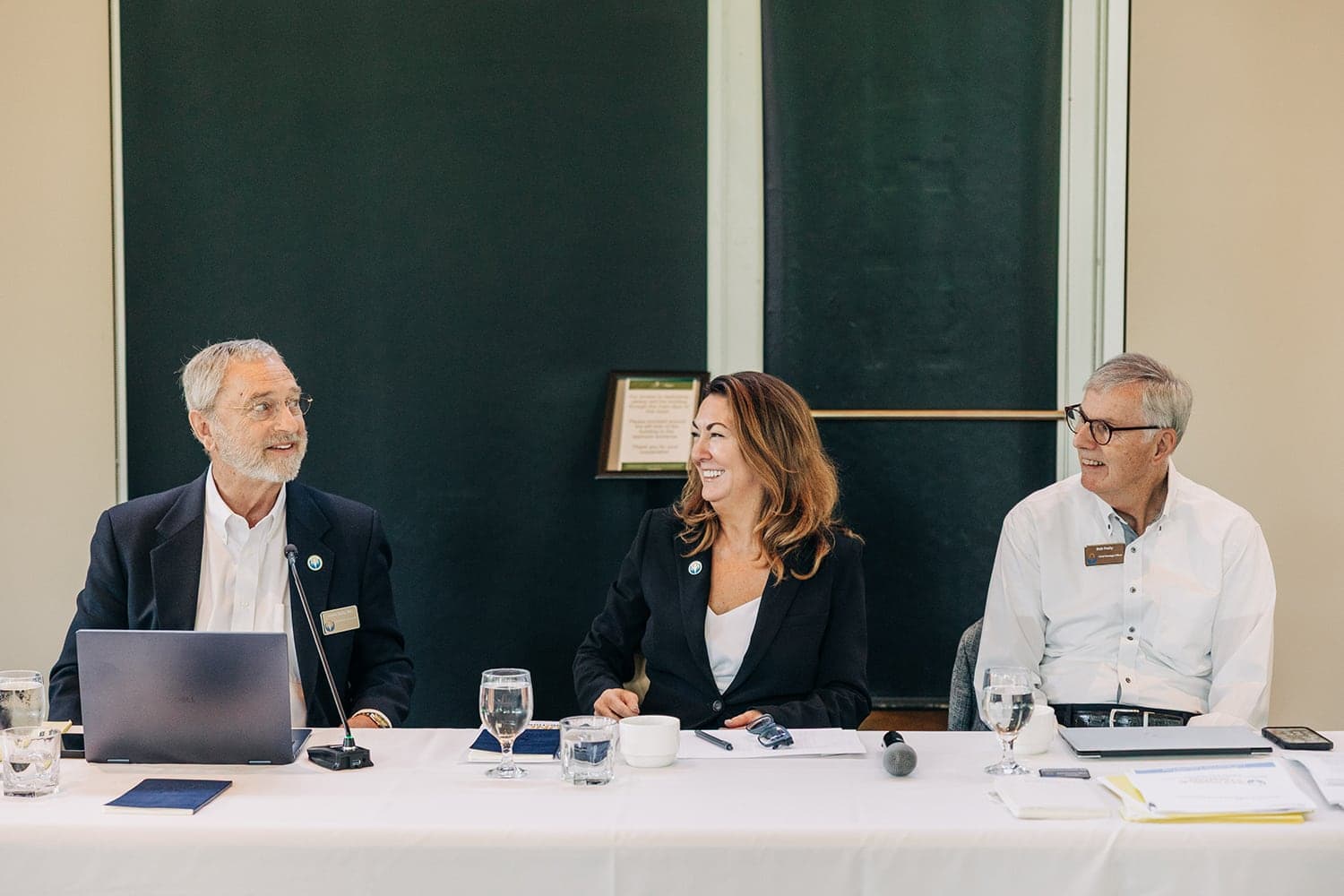
Medical and Science Advisory Council
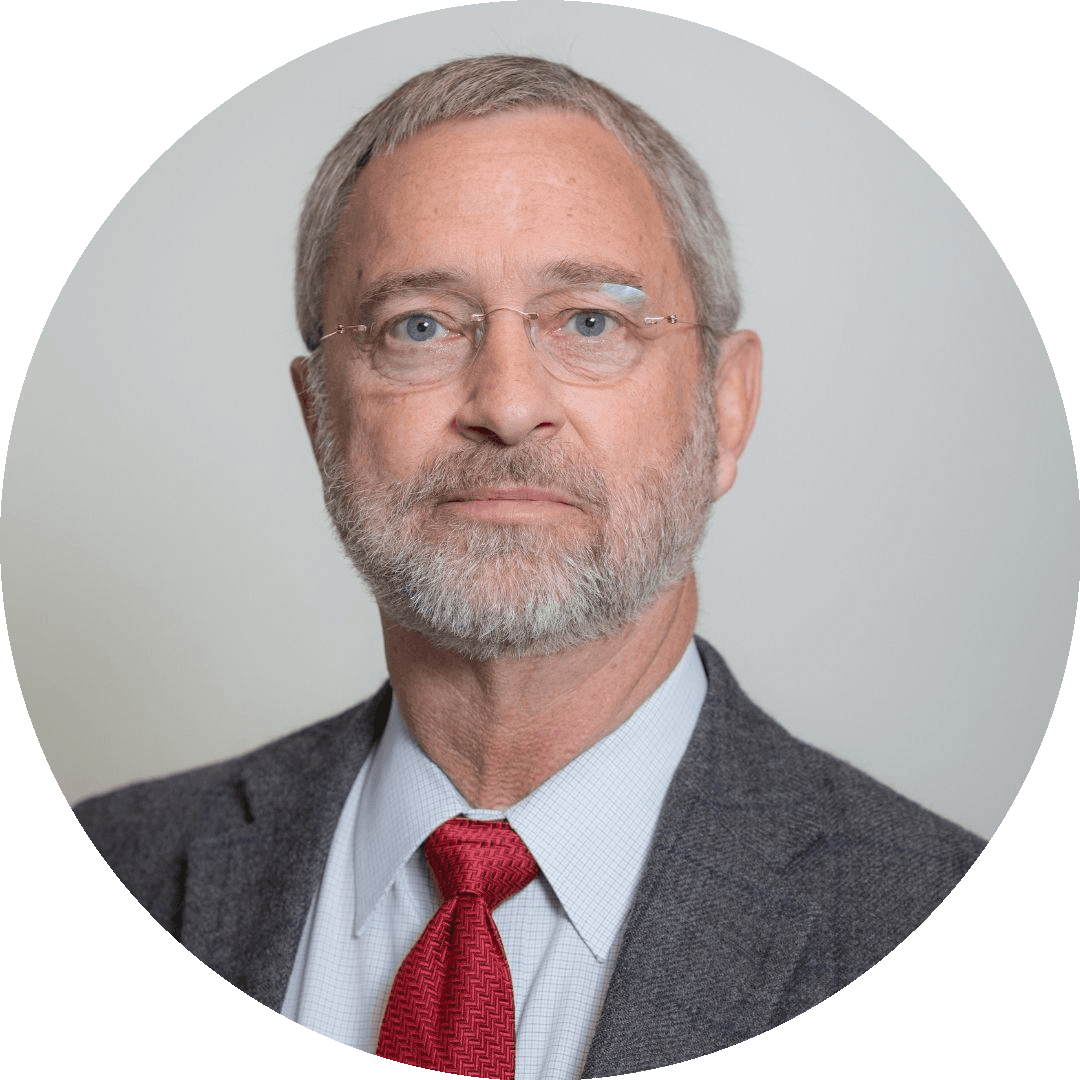
James P. Kelly M.D., M.A.
Chief Medical Scientist, Chair - Medical and Science Advisory CouncilJames P. Kelly M.D., M.A.James Kelly, MD is the Chief Medical Scientist of the Invisible Wounds Foundation. An academic behavioral neurologist with a career focus on traumatic brain injury, he served as founding Director of the National Intrepid Center of Excellence (NICoE) at Walter Reed National Military Medical Center, founding Executive Director of the Marcus Institute for Brain Health, and is Professor Emeritus of Neurology at the University of Colorado School of Medicine.

Dallas C. Hack M.D., M.P.H., FACMPH
Col. U.S. Army (ret.), Former Director - U.S. Army Combat Casualty Care Research ProgramDallas C. Hack M.D., M.P.H., FACMPHDr. Dallas C. Hack serves as the Co-Director of the Neurologic Performance Group’s Medical Advisory Board and as a Concussion Specialist. As the former Director of the Combat Casualty Care Research Program, he led groundbreaking research that has significantly improved care for both military personnel and civilians.
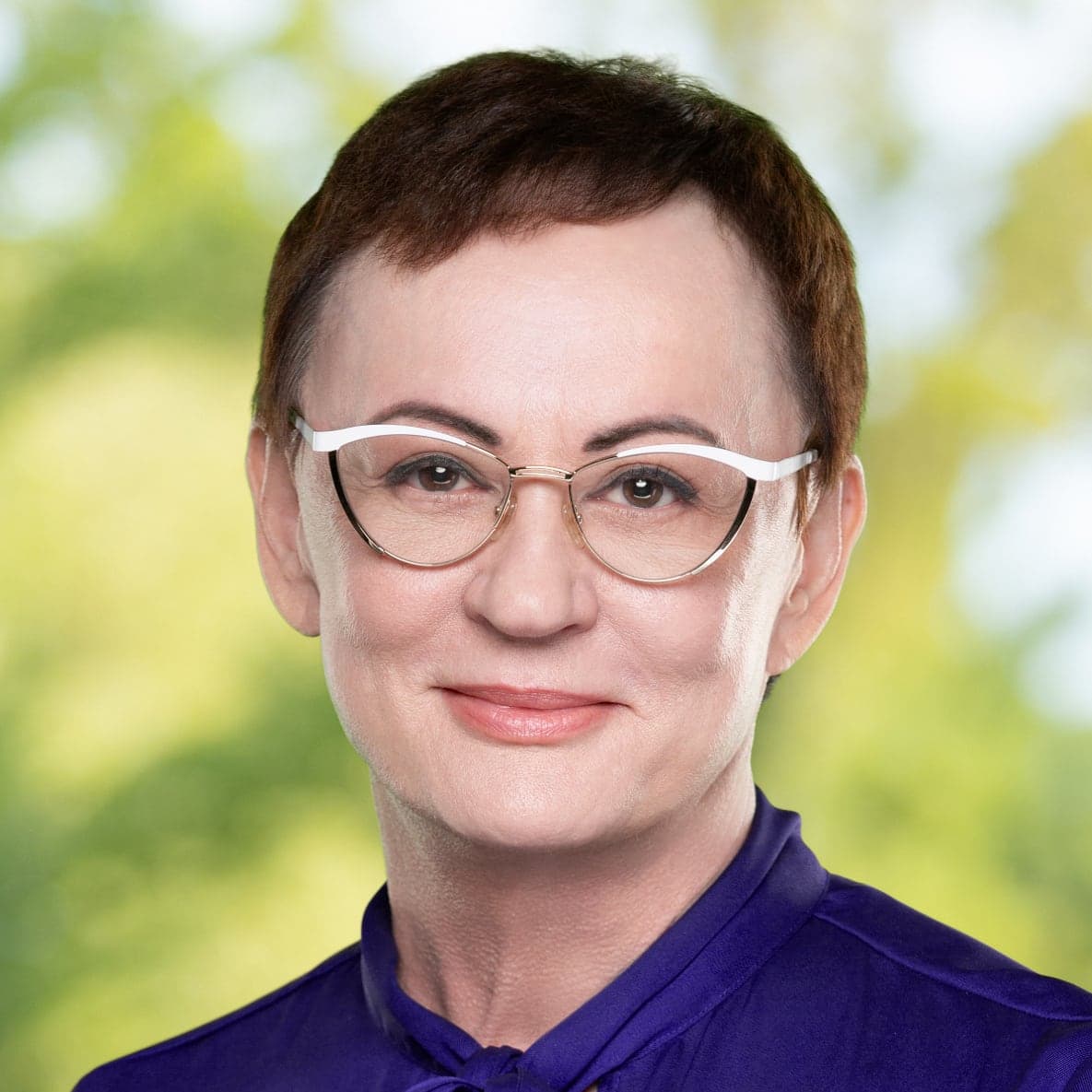
Ibolja (Ibi) Cernak M.D., Ph.D.
Professor - Neuroscience & Physiology, Walton School of MedicineIbolja (Ibi) Cernak M.D., Ph.D.Dr. Ibolja Cernak is a professor, senior clinical research expert, and consultant combining over 30 years of research experience focusing on traumatic brain injury, blast injury, and chronic stress. She is a member of the Institute of Medicine of the U.S. National Academy of Sciences and NATO Task Groups.

Jordan Grafman Ph.D.
Director of Brain Injury Research Shirley Ryan AbilityLab, Professor - Feinberg School of MedicineJordan Grafman Ph.D.Dr. Grafman is the director of Brain Injury Research at the Shirley Ryan AbilityLab, is on faculty at Northwestern University’s Feinberg School of Medicine. He previously served as the former Chief of the Cognitive Neuroscience Section at the National Institute of Neurological Disorders and Stroke. He has coedited several books on Traumatic Brain Injury and has authored over 600 publications that have appeared in scientific journals.
Josh Duckworth M.D.
Captain - U.S. Navy (ret.), Former Director - Defense Veterans Brain Injury Center (DVBIC)Josh Duckworth M.D.Dr. Josh Duckworth is a neurologist with more than 20 years of experience in the medical field. He is the founder and Medical Director at Brainpharm and Assistant Professor at Uniformed Services University.
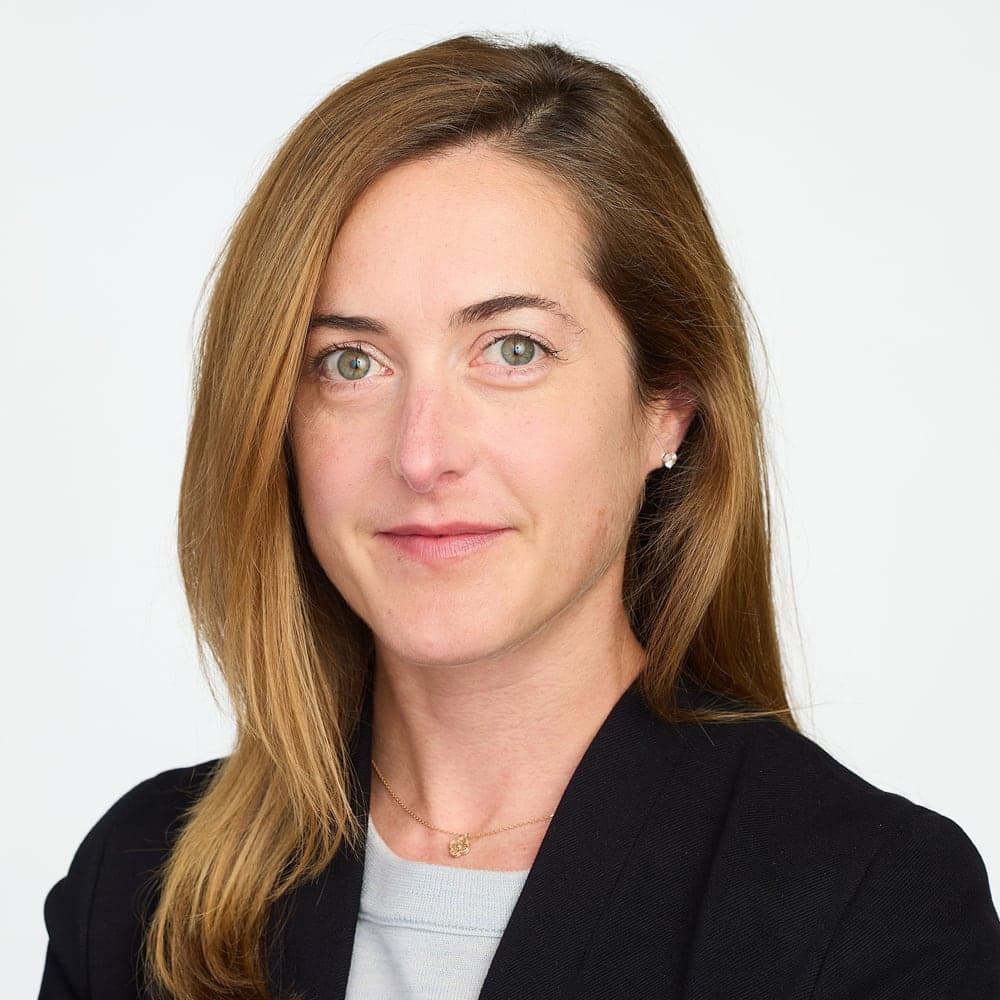
Kristen Dams-O’Connor Ph.D.
Director - Brain Injury Research Center Mount Sinai Hospital, Professor - Icahn School of MedicineKristen Dams-O’Connor Ph.D.Kristen Dams-O’Connor, Ph.D., is the Director of the Brain Injury Research Center at Mount Sinai Hospital and a Professor of Neuroscience at the Icahn School of Medicine at Mount Sinai. She has served as a subject matter expert to the U.S. Secretary of the Army and has authored over 250 scientific publications.
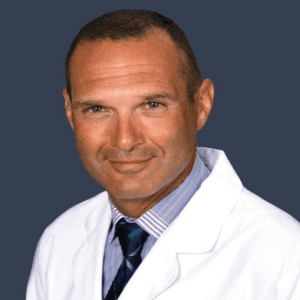
Rocco Armonda M.D.
Professor of Neurosurgery Georgetown University Hospital, Director of Neuro-endovascular Surgery & Neurotrauma - MedStar Washington Hospital CenterRocco Armonda M.D.Rocco A. Armonda, MD, is director of Neuroendovascular Surgery for MedStar Washington Hospital Center and MedStar Georgetown University Hospital, and associate professor and director of Neurosurgery at the Uniformed Services University of the Health Sciences (USUHS). Dr. Armonda focuses on the areas of cerebrovascular disease, neurotrauma, and neurocritical care.
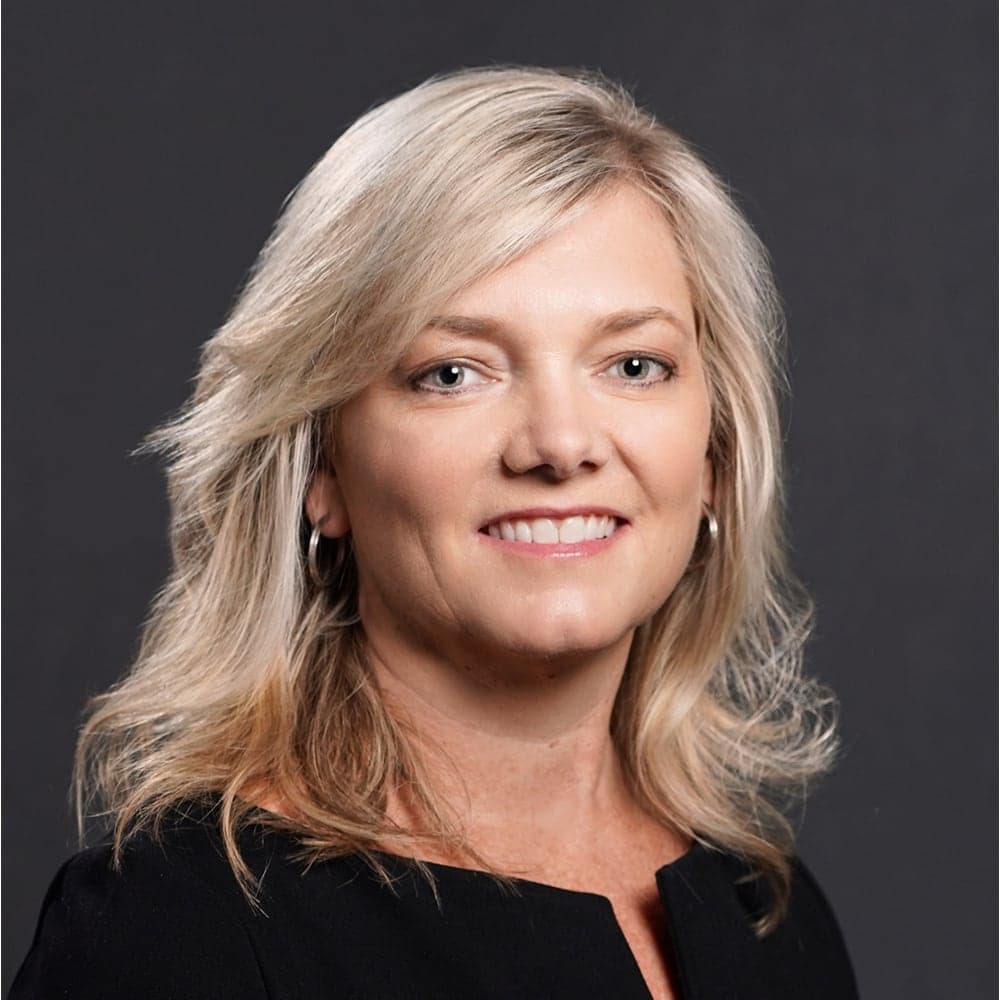
Terri Tanielian M.A.
Former Special Assistant to President - Veterans Affairs & Behavioral HealthTerri Tanielian M.A.Terri Tanielian is a nationally recognized leader in veteran and military health policy, behavioral health, and suicide prevention. She served as Special Assistant to the President for Veterans Affairs and Behavioral Health (2021–2025); served as a RAND Corporation senior behavioral health scientist, and has authored over 100 peer-reviewed publications including the landmark report, Invisible Wounds of War, the first and only comprehensive non-governmental assessment of PTSD and TBI associated with the conflicts in Iraq and Afghanistan.