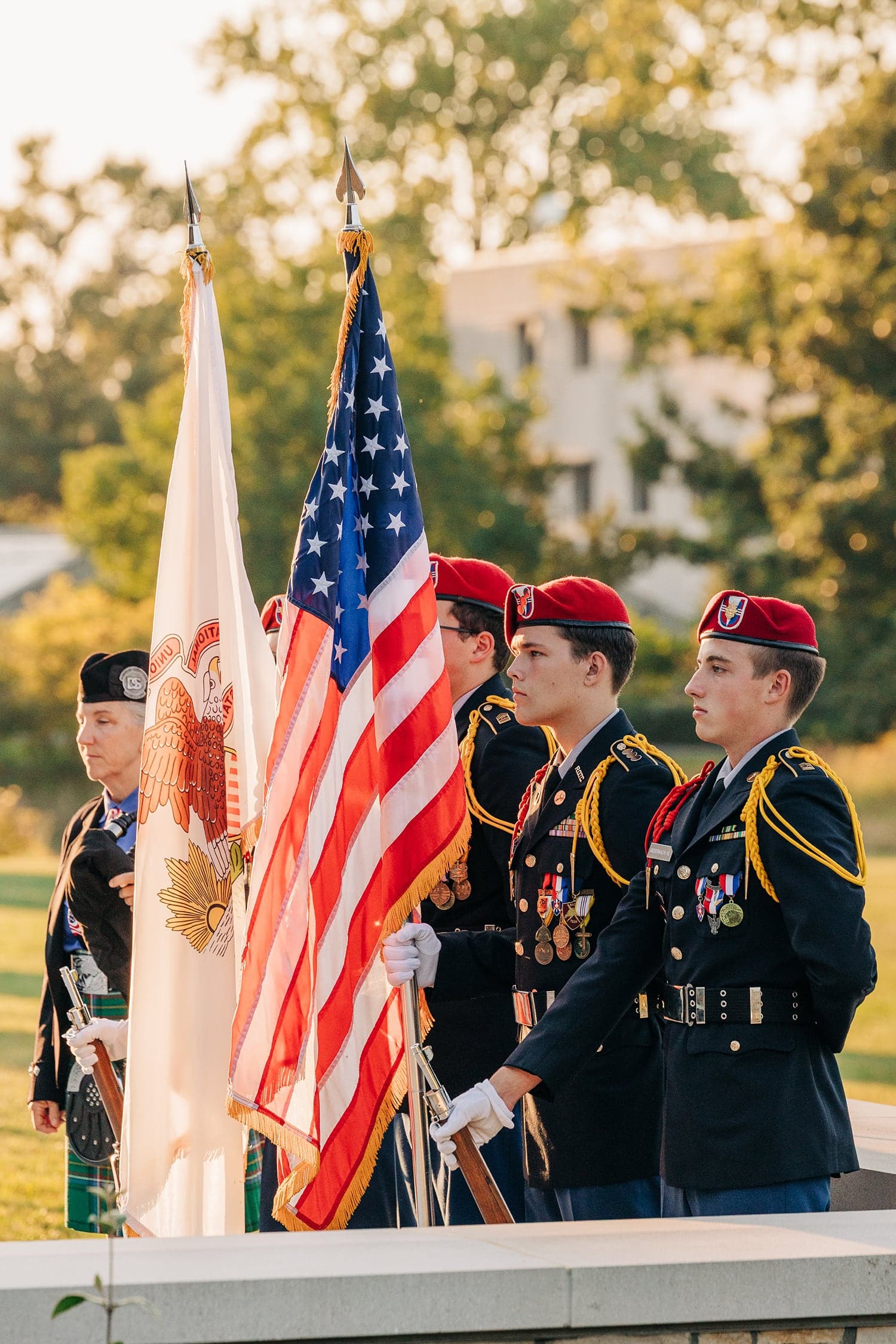

Government Policy and Research on Military Brain Injury: 2006-Present
Here's how we got to this moment. Scroll to explore the milestones shaping brain health research today.
- 2006
Congress Mandates Blast Injury Research
The issue of military brain injury is widespread and far-reaching, dating back to WWI (then known as “shell shock”). In 2006, Public Law 109-163 directed the Department of Defense to prioritize research on the prevention, mitigation, and treatment of blast-related injuries.
- 2010-2023
Fragmented and Uncoordinated Research
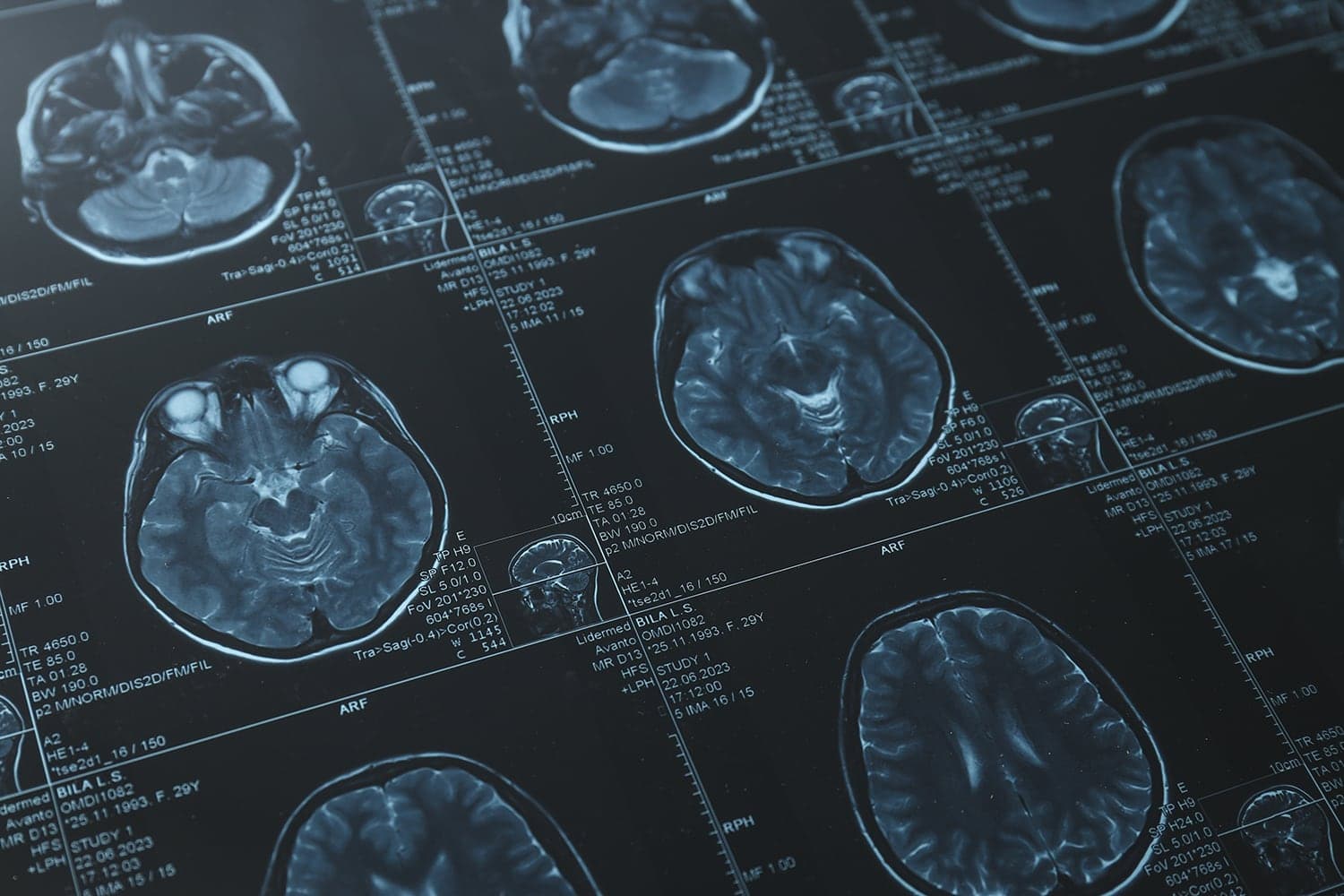
In response to escalating suicide rates and inadequate treatment, President Obama issued an Executive Order in 2012 to establish a National Research Action Plan for TBI and PTSD. From 2010–2023, Congress allocated nearly $3 billion to the DoD for TBI. Despite the investment, most funding focused on treating symptoms—not investigating the root causes of military brain injury.
- 2023
New Army Policy on Multiple Concussions
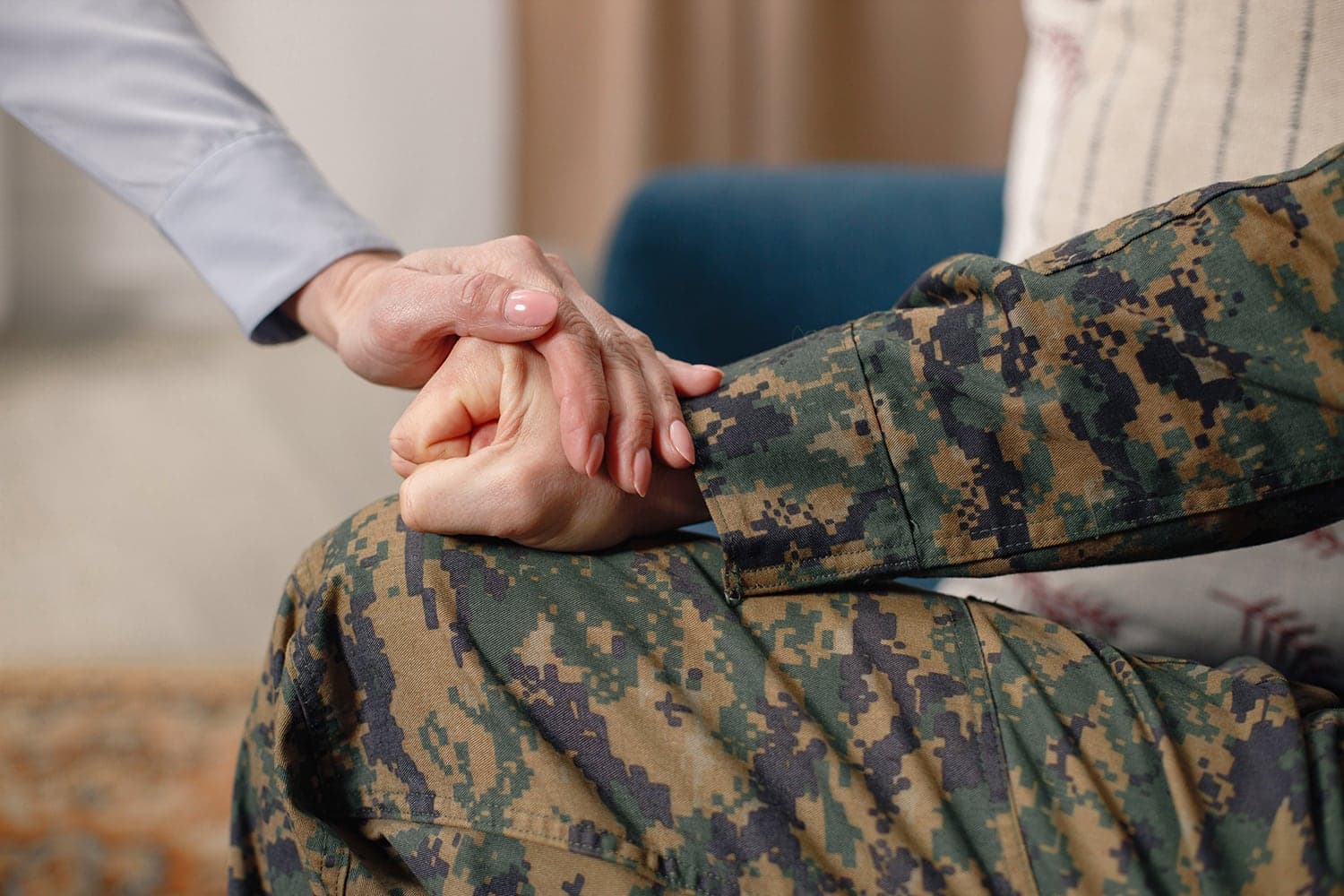
Soldiers who sustain three concussions within 12 months must now undergo comprehensive medical evaluations—recognizing the cumulative impact of repeated brain trauma.

- 2024
Senate Hearing on DoD’s Handling of Blast Over pressure
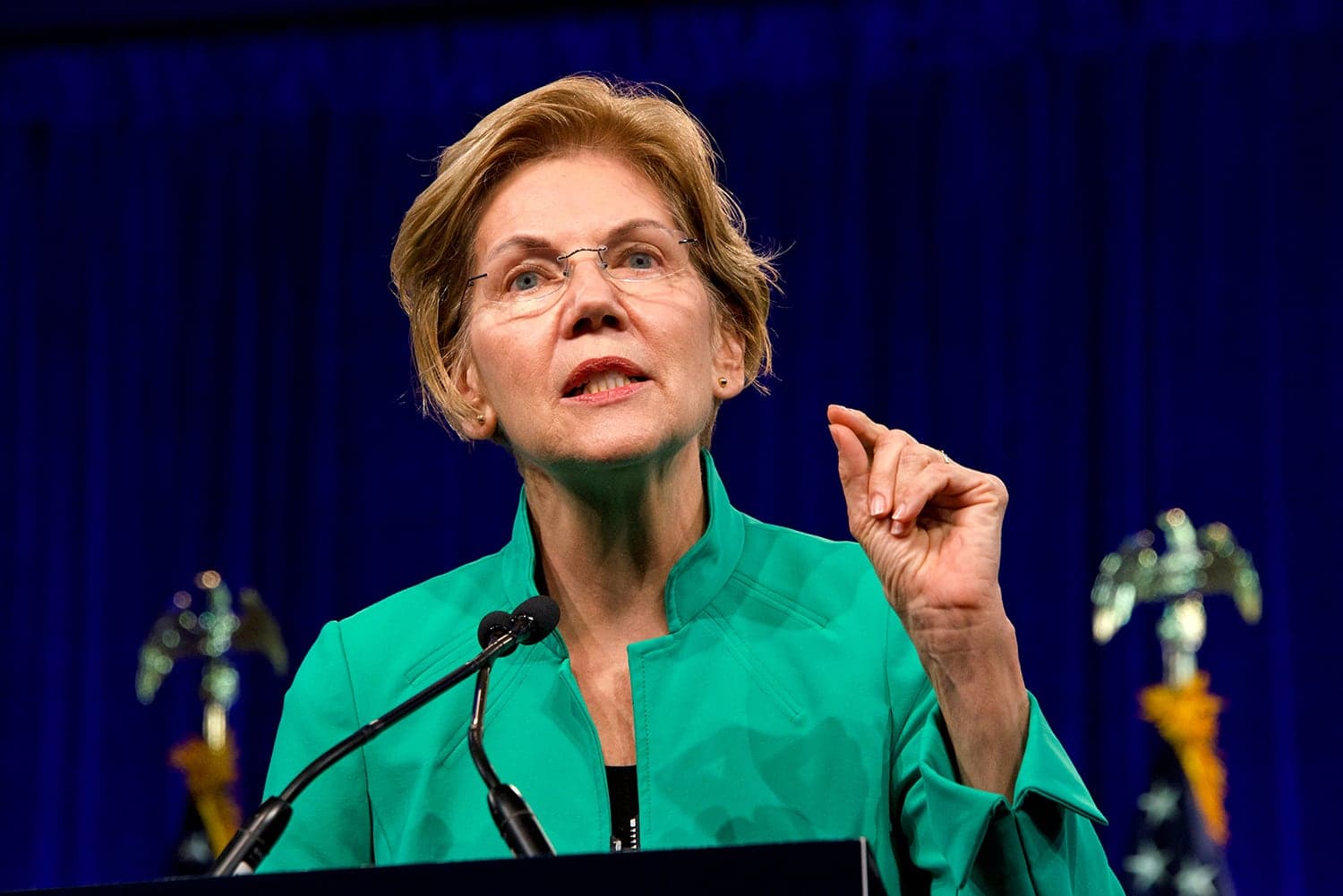
Senator Elizabeth Warren led a hearing exposing serious gaps in the military’s approach to military brain injury prevention and treatment—calling for more proactive protections for service members.
- 2024
Congressional and Expert Advocacy for Military Brain Injury Research
The 2024 Senate hearings amplified calls from experts like Dr. Brian Edlow (Harvard/MGH) and Dr. Daniel Perl (USU), who are leading efforts to develop advanced diagnostic tools and understand long-term effects of blast exposure. Both continue to push for innovations specifically tailored to the needs of SOF.
The Military Brain Health Collaborative
Despite years of research, there is still no FDA-approved diagnostic method for military brain injury. The Invisible Wounds Foundation established the Military Brain Health Collaborative to address this gap directly. We raise funds, solicit research programs across the field, and guided by our Medical and Science Advisory Council, select and fund the most promising work on the prevention, diagnosis, and treatment of military brain injury among service members and veterans